Finding Land for Your Tiny Home: Options and Strategies
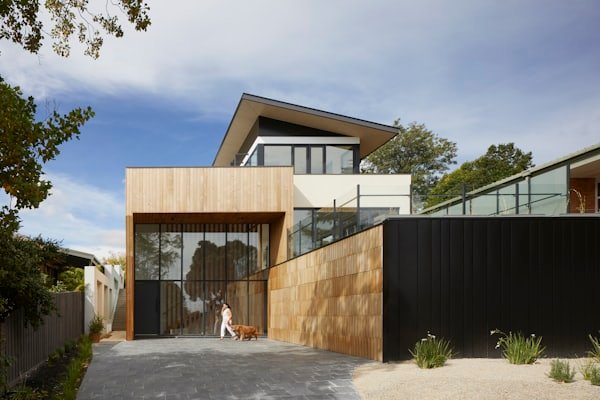
Learn how to secure land for your tiny house legally, from backyard rentals to raw land development.
Welcome to our deep dive on Finding Land for Your Tiny Home: Options and Strategies. The tiny house movement is more than just a real estate trend; it is a profound philosophical shift towards simplicity, financial autonomy, and environmental awareness. In this extensive guide, we analyze the core concepts of this subject to help readers make informed decisions about their downhousing transitions.
Living under 400 square feet presents beautiful design opportunities, but requires an structured and highly professional layout schema. Every piece of equipment, from your plumbing traps to loft floorboards, must be planned to optimize space, minimize drafts, and keep overall building costs low. Our editorial team has interviewed key builders to bring you this definitive summary.
The Land Problem in Tiny Living
Buying or building a beautiful tiny home is only half the battle; finding a legal place to park it is often the hardest part. Since zoning codes limit permanent placement, tiny house owners must think outside the box. Whether you want to purchase acreage, lease a backyard, or join a community, you must know the legal and practical requirements of each choice.
You must carefully investigate the utilities of any potential property. Raw land without electricity, water, or septic can be cheap to buy but incredibly expensive to develop. Sometimes, purchasing land that already has a derelict building or mobile home hookups is cheaper than paying connection fees for raw land.
Moreover, building code adaptability is critical. When scaling down layouts, the relationship between human scale and utility placement must be thoroughly detailed. Utilizing high-efficiency solutions helps mitigate the spatial restrictions of tiny homes, providing a luxurious experience in a compact footprint.
For example, micro-plumbing systems require custom inline P-traps and slim drain connections to prevent greywater blockages. Similarly, when installing high-draw cooking ranges, dual-ventilation vents are mandatory under safety codes. Plan your layout sections relative to your local structural regulations to avoid warnings or rebuild costs.
Viable Terrain Options for Placement
1. Backyard Leasing: Renting land from a suburban homeowner. Under ADU laws, this is increasingly legal in metropolitan areas.
2. Purchasing Off-Grid Raw Land: Affordably priced, but costs money to clean, grade, and install utilities (septic, solar, well).
3. RV and Tiny House Communities: Monthly lot fees include utilities and access to shared amenities like laundry or gardens.
4. Cooperative Land Purchases: Grouping together with other tiny home buyers to purchase a large parcel and subdivide utilities.
Another growing option is tiny home sub-divisions. Developers buy acreage and create tiny home developments with legal zoning, concrete pads, and separate meters. This offers community connection and security, which is ideal for retirees and individuals who don't want to live off-grid.
It is also worth noting that structural choices impact thermal and structural efficiency. For example, using SIPs (Structural Insulated Panels) or continuous exterior insulation wraps drastically reduces heating requirements. Similarly, utilizing solar energy reduces grid dependency and contributes to sustainable resource cycles.
Let's also look at the financial aspects of structural selections. While premium materials like cedar siding or double-paned tempered glass increase up-front construction cost, they reduce maintenance expenses over your home's lifecycle. Insulating your trailer chassis thoroughly blocks rising moisture, protecting wood floors from damp warping.
Key Questions to Ask Sellers
Before buying land, always ask: Is there zoning restriction prohibiting temporary dwellings? Has a percolation test been completed for septic installation? Is there legal easement access to the property?
Never take a seller's word that land is buildable. Contact code enforcement yourself to verify. Perform a thorough survey to ensure there are no protected wetlands or local setbacks that would limit your tiny house footprint.
Ultimately, a successful transition hinges on careful preparation. We recommend speaking with certified tiny home engineers and legal advisors in your municipality to verify local zoning codes before building or investing. Stay tuned to Tiny Haven Journal for more expert, data-driven guides on tiny living.
In conclusion, the decision to downsize your lifestyle is a collaborative journey that rewards careful study. By staying active on our platform, you will learn how to design, fund, and license your build smoothly. Explore our categories to learn about composting toilets, trailer configurations, and landscaping ideas for your tiny homestead.